by admin | Nov 4, 2026 | Customer Stories
Understanding the Different Stages of Casino Withdrawals
Withdrawal processing is one of the most important subjects for people researching online casino services. Although payment methods may appear similar, the time required to receive funds can depend on several factors, including account verification, operator reviews and banking procedures. Readers looking for explanations of the subject can explore the Dream Vegas withdrawal information and guide as part of their wider research into payment conditions.
How Online Casino Withdrawals Work
A withdrawal begins when a customer submits a request to transfer an eligible account balance to an approved payment method.
The operator may first review the request to confirm that the account meets the applicable requirements. This can involve checking identity information, payment details and compliance with relevant terms and conditions.
Once the request has been approved, the funds are sent through the selected payment provider. The receiving bank or financial service may then require additional time to complete the transaction.
Processing Time and Payment Arrival
It is important to distinguish between the time taken to review a withdrawal and the time required for the money to reach its destination.
Processing time refers to the operator’s internal review and approval procedures. Payment arrival time describes the subsequent transfer between financial institutions or payment services.
These stages can be affected by different circumstances. For example, an operator may approve a request while the payment provider still requires time to complete the transfer.
For this reason, withdrawal estimates should always be interpreted according to the specific payment method and the operator’s published conditions.
The Role of Identity Verification
Identity checks are a standard part of regulated online gambling services. Operators may need to verify personal information before allowing certain transactions.
Documents may include identification records, proof of address or information confirming ownership of a payment account.
If requested documents are incomplete, unclear or inconsistent with the account details, additional checks may be necessary.
Consumers should therefore familiarise themselves with verification requirements before depositing money rather than waiting until they submit their first withdrawal request.
How Payment Methods Influence Withdrawal Times
Different payment methods use different financial networks and processing procedures. Bank transfers, debit cards and electronic wallets may therefore have different expected arrival periods.
Some methods provide relatively quick transfers once a transaction has been approved, while others depend on additional banking procedures.
Availability may also depend on the country, the customer’s bank and the operator’s payment arrangements.
It is important to check whether a particular method supports withdrawals as well as deposits. In some situations, the operator may need to use an alternative bank transfer procedure.
Why a Withdrawal May Remain Pending
A pending withdrawal does not necessarily indicate a technical failure. It may simply mean that the request is undergoing the operator’s normal review process.
Other possible reasons include incomplete identity verification, incorrect payment details, security checks or questions about compliance with promotional conditions.
Consumers should review the official payment policy before assuming that a delay represents a problem.
Common Mistakes That Can Cause Delays
Providing incorrect banking information is one potential source of payment difficulties. Customers should carefully review account details before submitting a request.
Another common issue is overlooking verification requirements. Documents submitted in an unsuitable format or containing inconsistent information may require further review.
Users should also read promotional terms carefully. Certain offers may impose wagering requirements or other conditions affecting the availability of funds.
How to Check the Status of a Withdrawal
Many gambling platforms provide transaction histories or account sections where customers can monitor the status of payment requests.
These records may distinguish between pending, approved, processed and completed transactions. Understanding the terminology can help users identify which stage their request has reached.
If the published processing period has passed, contacting official customer support is generally the most appropriate way to request clarification.
Understanding Payment Conditions Before Participating
Withdrawal procedures should be reviewed alongside deposit limits, transaction fees and account verification policies.
Consumers should avoid relying exclusively on promotional statements about fast payments. The actual conditions are usually explained in the operator’s official terms and payment documentation.
A careful understanding of processing stages, verification requirements and payment-provider procedures can help users develop realistic expectations about online casino withdrawals.
by admin | Sep 9, 2026 | Customer Stories
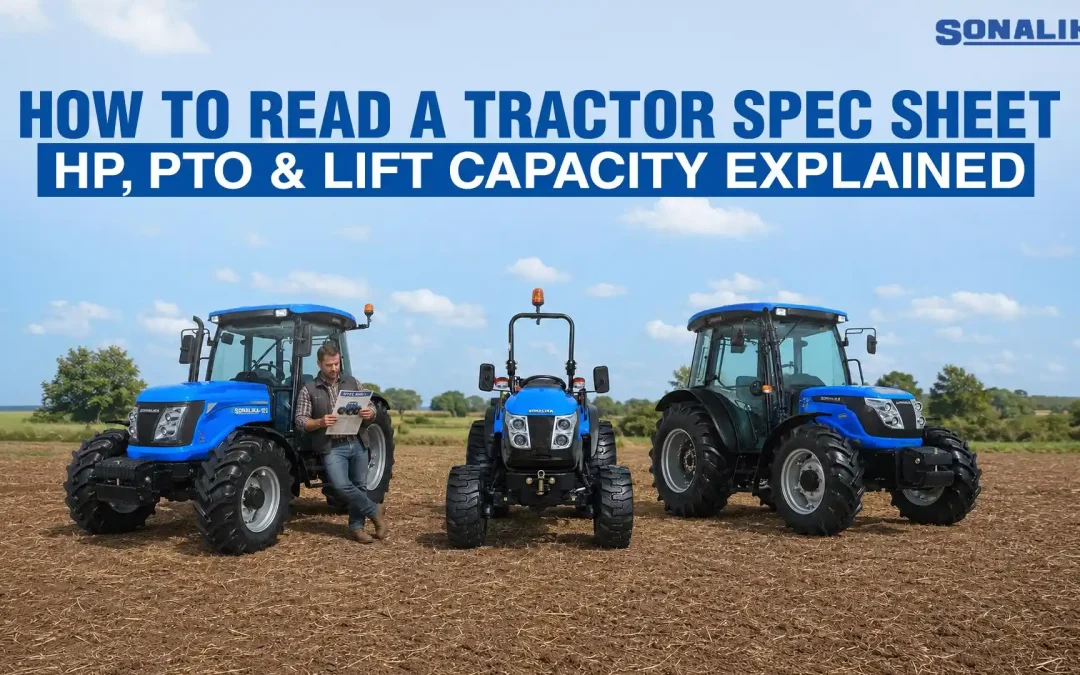
Imagine this scene: two tractors are displayed at a dealership, both having a “50 HP” sticker on them and looking very similar. In reality, both tractors can still perform differently on the farm. One tractor can easily pull a heavy rotary tiller, while the other struggles when you activate the PTO or simply cannot lift a loaded box blade off the ground efficiently.
For farmers looking for a tractor on a budget to meet tight deadlines associated with short sowing and cultivating windows, this gap between the claimed power and real-world output is where the differences lie. A wrongly matched tractor here results in wasted money. Before comparing price tags or brands, it’s important to know how to read a tractor spec sheet properly.
Knowing how to read a spec sheet properly helps you compare specifications effectively and align important specs like tractor lift capacity and tractor PTO horsepower to your real-life requirements. Below, let’s understand the main specifications of a tractor so you understand what each is and pick the right number.
Also Watch: Know Your Tractor | DIY Guide
Why Its Important To Understand The Spec Sheet?
- Tells you the real power reaching your tractor implement
- Prevents you from buying a tractor that cannot lift or run attachments you need
- Helps you compare tractor specifications across models and brands for a better purchase
- Helps you predict the total cost of ownership and running costs
- Avoid buying underpowered or overpowered tractors
Engine HP
An engine’s horsepower is the amount of maximum power your tractor’s engine is designed to make. Sometimes listed as gross HP or flywheel HP, it measures the output of an engine before power is lost to the transmission, alternator, hydraulics, or cooling fan. The engine HP is the number every leaflet leads with since it’s the most flattering figure available. However, treat it as a starting point of reference only. If you want tractor HP explained in simple terms, this number tells you a tractor’s raw potential, not what reach to the field.
Engine Torque
Alongside horsepower, your tractor’s engine also delivers torque, measured in Nm or lb-ft, depending on where you reside. Torque, sometimes nicknamed punch, is an engine’s twisting force, and it matters more than HP when you’re putting your machine under loads, tasks like ploughing dense soil or pulling a loaded trailer. A tractor with strong low-end torque holds a machine well and reduces the chances of stalling or needing downshifting. Additionally, good low-end torque also results in lower fuel consumption.
PTO Horsepower
Every tractor has a specification called PTO horsepower, a short form for power takeoff horsepower. Tractor PTO horsepower is the power available at the rear shaft to drive implements like rotavators, mowers, balers and sprayers. It reflects the power left after drivetrain losses and is usually 10-20% lower than the engine HP. PTO type and speed are equally important as the number!
PTO Horsepower Type & Speed
Most tractors come with a 540 RPM PTO, with certain models offering a 1000 RPM PTO for using more demanding implements. There is also a 540E PTO type, which allows you to run an implement in lower engine speeds for better fuel economy. Pairing an implement with the wrong tractor PTO horsepower or speed can damage the transmission and cause breakdowns. Before using an implement, check the PTO horsepower, speed rating and whether it’s independent, live or transmission-driven.
Hydraulic Lift Capacity
A tractor’s hydraulic lift capacity determines the maximum weight the three-point hitch can safely raise from the ground. The lift capacity is very important for mounted ploughs, seed drills and rear blades. This number depends on the size of a tractor’s hydraulic cylinder and the linkage geometry, not on engine power. A tractor with a high-HP engine may still struggle to lift heavy implements if it has a weak hydraulic system.
3-Point Hitch Category
The hitch category is the physical dimensions of a tractor’s linkage arms and pins. Hitches are divided into standardised categories, and they are based on the size and pin diameter of a tractor. CAT-1 (category 1) is usually found on small and compact tractors, while CAT-2 is usually present on mid-sized tractors.
Once you climb the ladder with larger tractors, CAT-3 is present on large tractors and agricultural machinery to handle heavier implements. You must match the hitch category with your current implement, as the wrong category can lead to replacements of expensive adapter kits or buying new attachments.
Also Watch: Three Point Linkage & Rotavator Hitching & Unhitching | DIY Guide
Hydraulic Pump Flow
Measured in litres per minute (LPM), hydraulic pump flow determines the speed at which oil reaches loaders, hydraulic cylinders, and remote valves. This indicates the speed and responsiveness of your hydraulic system. A front loader generally needs a high flow rate to lift and dump materials efficiently. If the flow rate is too low, cycle times are delayed, and this affects your site productivity. For contractors using front loaders or tippers, the flow rate influences productivity more than HP.
Transmission & Gear Speeds
Tractors are available with several transmission types and gear counts, but the right transmission enhances your operational efficiency. Transmission consists of forward and reverse gears, with options like Sliding Mesh, hydrostatic, and powershift. More gears deliver better control over speed, which allows you to match the pace you want during seeding. Shuttle shifts are better for loader work as they allow you to change direction instantly without stopping to change gears.
Drivetrain: 2WD & 4WD
Tractors come with two drivetrain options. When you compare tractor specifications, you find affordable and daily-use models fitted with a 2WD, meaning only the rear wheels rotate. This has its own set of pros and cons. The pros are better fuel efficiency and less complex maintenance, and the cons include less traction and control on terrain, muddy conditions or slippery farms.
4WD systems are better in many aspects and are found on tractors designed to conquer various surfaces. They are equipped with limited-slip differentials for better grip on rough and slippery surfaces, but consume more fuel compared to a 2WD and are more complex to maintain.
Tractor Weight, Dimensions & Ground Clearance
Every tractor has its own weight. A heavier tractor can effectively transfer the power to the surface, compared to a lighter machine. The weight and wheelbase dimensions determine turning radius, ride comfort and stability. Tractors with high ground clearance are better if you’re using them on terrain and on farms, since they minimise the chances of damaging crops during harvesting or spraying.
Tire Size & Track Width
Tires are the only contact point with the ground. When you learn how to read a tractor spec sheet, understanding tyre size and track width is very important, as the type of tyre determines a tractor’s performance, safety and stability. When you compare tractor specifications, many models offer optional tyre configurations based on buyer needs.
A tyre affects traction, soil compaction, crop damage and overall stability. Always choose tyres based on primary application, because a tractor with a good engine and loader performance may struggle in the field if the tyres don’t match the surface.
Fuel Tank Capacity
The fuel tank determines how long you can use the tractor before needing a refill. A machine with a larger tank capacity can store more fuel and keep the machine running continuously during long working hours, and maximise your daily productivity. Once you check this number with the expected fuel consumption numbers, you can have a clear range.
Frequent refuelling interruptions cost fleet managers their valuable time an labour. A larger tank can save a significant amount of time by reducing refuel rates.
Conclusion
Once you know how to read a tractor spec sheet, you can transform a risky purchase into a smart and data-backed investment. By understanding what usable power and hitch ratings are, you can compare specifications easily to find the perfect fit. Matching these numbers with your requirements reduces fuel wastage and maximises operational efficiency.
Ready to buy tractors? Sonalika Tractors are a globally renowned tractor brand, offering an expansive range of tractors and implements. Our tractors promise exceptional performance, reliability and durability. Contact us today to learn more.
by admin | Jul 31, 2026 | Customer Stories
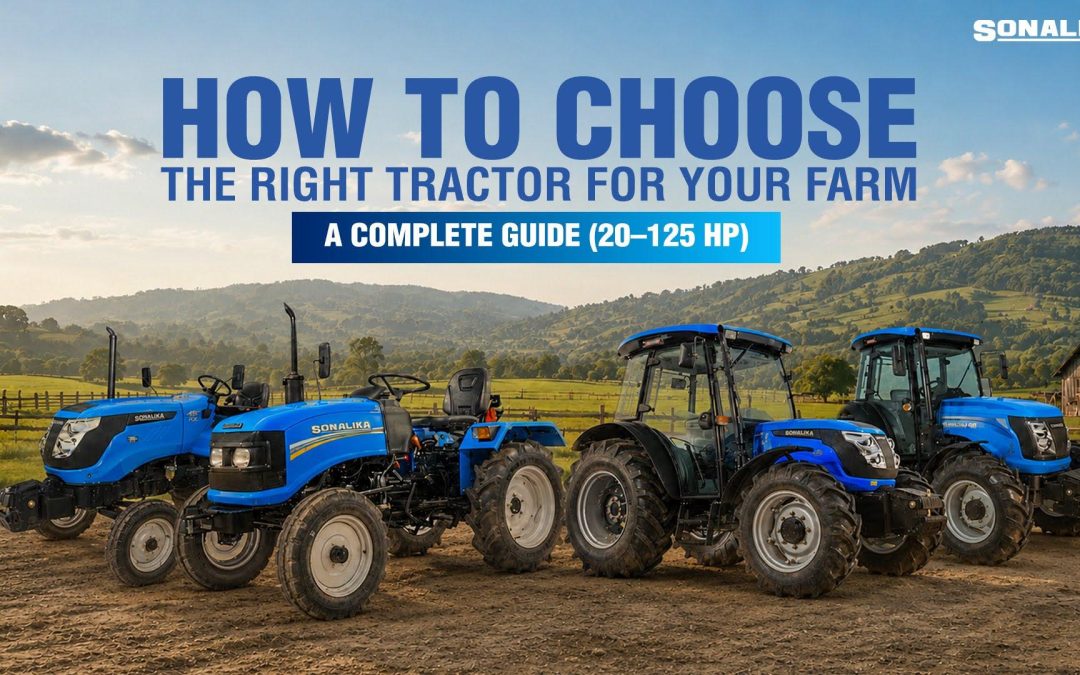
A farmer visits a dealership wanting the best tractor for farming on his 8-acre vegetable farm. He ends up buying a 75-hp tractor just because the salesman called it “powerful”. Fast-forward to 3 months, and he’s already annoyed with high diesel consumption and inflated fuel expenses, plus finding it difficult to work with it on his small farm. This is a trap most first-time buyers fall into in reality: chasing horsepower instead of matching the machine to a job.
This confusion is more common than you might think because tractor horsepower ranges from 20 to 125, usually, and nothing in the brochure tells you which machine suits your farm, soil, acreage and of course, the budget. These are things that are worth knowing before you invest in a tractor to get the maximum returns from your equipment and boost your productivity.
To help you better understand and buy the right tractor, we’re here with a tractor buying guide. By the end of this blog, you’ll know how to choose the right tractor for your requirements.
Check Your Farm’s Size & Soil Conditions
The acreage of your farm decides how agile or powerful your tractor needs to be. Farm sizes ranging from 5 to 20 acres generally call for models having a tight turning radius and compact dimensions. This helps you manoeuvre easily on small plots and work more on each pass. For 50+ acre farms, you might want to look for machines that focus more on speed, stability and wider wheelbases. This will help you work with heavier implements and cover more ground.
The type of soil is equally important as the size. Plots with heavy and wet clay result in serious drag on ploughs, so you need to buy tractors with higher torque to avoid stalling mid-work. Light, sandy and loamy soils have less resistance, meaning you can buy lower-horsepower machines without worrying about performance.
Terrain further changes the equation. Steep gradients and hilly farms require a 4WD system for grip and a machine with a lower centre of gravity to prevent rollovers. If you’re working on flat and dry land, 2WD tractors must do fine. Before you choose any model, measure your farm, orchard row width, vineyard canopy height, barn door clearance and the narrowest gate. If you stay in areas where floods are common, a 4WD system with a differential is essential.
Tractor Horsepower Guide: A Detailed Breakdown
The right farm tractor comparison always starts with understanding the difference between engine horsepower and PTO (Power Take-Off) power. Engine power is generally measured in horsepower, but in some regions it is also measured in kilowatt (kW). Engine horsepower propels the tractor forward, while PTO HP runs the attachments and determines how effectively it works.
If your baller needs 50 hp to work, the PTO rating must meet the requirement, not just the engine power rating. So, how to choose the right tractor with respect to horsepower requirements? Use this tractor horsepower guide to know your ideal horsepower requirements.
| Tractor Engine HP Range |
Typical Farm Size |
Best For |
Sonalika Models |
| Below 20 Hp |
Under 3 acres |
Orchards, nurseries, light mowing, & garden tasks |
Sonalika FP-18
|
| 20-30 Hp |
3-10 acres |
Small farms, light tillage tasks, orchards, vineyards and light hauling. |
Sonalika 20
Sonalika 26
Sonalika 30
|
| 30-50 Hp |
10-25 acres |
Mixed farming tasks, cultivation, seeding, rotavator work & general seedbed preparation. |
Sonalika 45
Sonalika 50
|
| 50-75 Hp |
25-50 acres |
Rowing crops, material hauling, moderate tilling, heavy utility, baling, & large field ploughing. |
Sonalika 55
Sonalika 60 (3 & 4 cylinder)
Sonalika 75 WT
Sonalika 75 RX
Sonalika 75N
|
| 75-125 Hp |
50+ acres |
Large-scale farming, commercial tasks, heavy tillage, & heavy implement usage. |
Sonalika 80
Sonalika 90 WT
Sonalika 90N
Sonalika 110 WT
Sonalika WT 110 RX
Sonalika 125
|
5 Factors To Consider Apart From Engine HP
When you’re looking for the best tractor for farming, look beyond the engine power. Consider these 5 critical specifications in mind.
1. PTO Output: The engine powers the wheels, while the PTO propels the attachments. A 50-hp engine may only offer 40 PTO hp. If your mower needs 45 hp to run, the tractor will stall.
2. Hydraulic Flow & Lift Capacity: Lifting heavy bales or ploughs requires capable lifting power, high hydraulic fluid flow (gallons per minute) and rear hitch capacity. High horsepower is useless if the hitch cannot extract the tool from dirt.
3. Transmission Type: Hydrostatic transmission offers dynamics like an automatic car and works great for constant loader work. A gear-driven manual transmission can hold steady speeds during field ploughing.
4. Dealership Proximity: Farm equipment undergoes heavy stress, and downtime results in losses. Buy from a brand with strong local after-sales support and spare part availability.
5. Operator Comfort & Safety: Long working days can cause physical strain and fatigue. Buy tractors with comfortable seats, enclosed cabs & AC for convenience. Also, pick ROPS for better safety.
Implements & Hydraulics
Every tractor buying guide covers the importance of implements and hydraulics. The engine powers the wheels and the hydraulic system of your tractor. The real work is done by the implements. Before you choose any implement, list every attachment you’ll need, like loaders, rotavators, mowers, seeders, etc. Check the lift capacity for each one because the right match matters.
If you’re running front-end loaders or heavy ploughs, you can’t compromise on hydraulics. The best engine in the world can’t save you from weak hydraulic flow; it will make your work more challenging.
Ergonomics & Total Cost Of Ownership (TCO)
Long days on the field exhaust you quickly. Always buy models offering power steering, an adjustable seat, and controls that are within easy reach. This directly affects your productivity and determines how much work gets done before fatigue enters.
Look beyond the sticker price and calculate the real TCO. Include diesel consumption per hour, ease of serviceability and whether spare parts are available nearby. Select brands with strong local service support and ones that have a presence near your farms, because reliability on paper is useless if you don’t receive support when you need it.
Final Thoughts
Figuring out how to choose the right tractor comes down to one simple principle: match the tractor to the job. Read this tractor horsepower guide and skip the habit of only assessing the horsepower, focusing more on your farm acreage, soil type and what implements you will use.
Sonalika International is one of the leading tractor manufacturers globally, offering a handful of models with every HP bracket covered in our farm tractor comparison. If you want to buy the best tractor for farming, visit our website to explore our lineup and contact us for more information.
by admin | Jul 31, 2026 | Customer Stories
Buying the wrong tractor isn’t just costly; it can mess up your planting schedule, burn extra fuel doing the wrong jobs, and cause your tractor to stall on muddy or sandy surfaces. While a 2WD and a 4WD tractor look identical, they have key differences, and each behaves differently when you use them on dirt. One farmer working using a tractor on dry land may do just fine with a basic machine, but one working with clay or hills needs a machine with more grip.
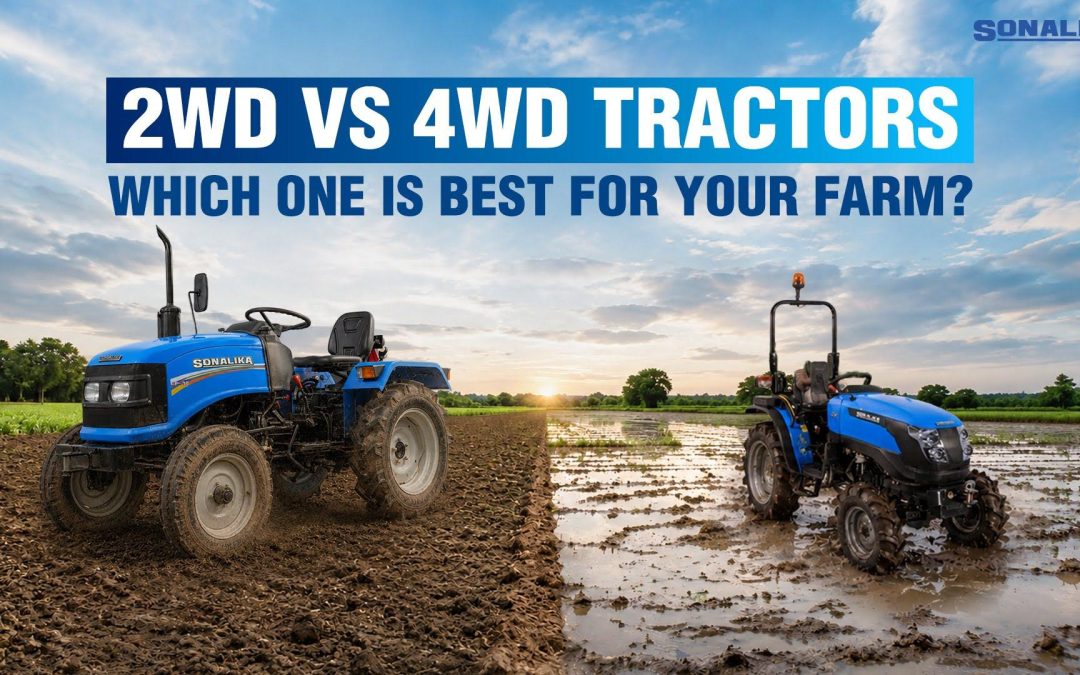
That’s where the whole 2WD vs 4WD tractor debate steps in. Many first-time buyers think having more power or more wheels makes a tractor better, but that’s not always true. Each drivetrain is designed for specific needs, and if you mess up, your bottom line is compromised. In this farm tractor guide, we’ll discuss the differences between a 2WD and 4WD tractor, the benefits and help you find out which one suits you better.
What Is A 2WD Tractor?
A 2WD tractor sends all its engine power to the rear axle, which means your tractor’s grip heavily depends on the treads of the rear tyres, the weight of the ballast and the condition of the soil. That kind of setup shines on dry, hard fields where wheel slip barely happens, so you burn less fuel and put less wear on the machinery.
But things change fast if the ground gets loose, wet, or while using the terrain. In many cases, the rear wheels start to spin, and you lose that traction under load. That’s when weight distribution really matters, especially if you’re pulling a plough or towing a trailer. For small or medium-sized farms where the soil is consistent, a 2WD tractor makes sense. It keeps costs down and gets the job done.
What Is A 4WD Tractor?
A 4WD tractor sends engine power to both the front and rear axles, allowing all four wheels to pull together. This is possible through components like a transfer case, front differential, and drive shafts that balance out the torque, even when you’re turning. On the field, this results in way less wheel slip, so you’re not wasting engine power spinning tyres, you’re getting work done. This is critical if you’re operating on wet soil, deep tillage, or rough terrain.
4WD tractor benefits go beyond better grip. A 4WD stays steady under heavy loads, especially if you’re using a front loader or handling large implements. The extra stability matters when the balance shifts. Of course, you’re also dealing with more mechanical parts, which means more maintenance and higher fuel use, especially if you’re mostly doing lighter work.
If your farm has solid and predictable ground, you probably won’t need all that 4WD capability. But when things get tough, while operating on muddy and hilly terrain, or when you’re using heavy implements, the better performance and less downtime can easily make the bigger investment worthwhile.
4WD tractors undergo extreme stress. Watch this video to know how to inspect the oil level & fuel filter.
2WD vs 4WD tractor: Key Differences
| Factor |
2WD Tractor |
4WD Tractor |
| Traction/Grip |
Moderate, ideal for paved and firm surfaces |
Strong, best for loose, uneven and sticky ground |
| Power Distribution |
Rear wheels only |
Gets power on all wheels |
| Fuel Economy |
Higher and puts less load on the engine |
Lower, puts more load on the engine |
| Purchase Price |
Costs lower upfront |
Higher upfront costs |
| Turning Radius |
Tighter |
Wider |
| Maintenance Complexity |
Simpler to maintain |
More parts, more complex to maintain |
| Ideal For |
Light & medium-farming tasks |
Heavy-duty applications and work in terrain |
2WD vs 4WD tractor: Applications
| Farm Soil/Surface Type |
Recommended Drivetrain |
| Flat, dry land, tractor with light implements |
2WD |
| Wet, muddy, sandy & hilly farms |
4WD |
| Small to medium-acre farms |
2WD |
| Large-acre farms |
4WD |
| Heavy implements: rotavators, loaders, & tillers |
4WD |
| Budget-conscious & first-time buyers |
2WD |
Which Tractor Is Easier To Maintain?
A 2WD tractor is easier to maintain since it uses fewer moving parts. These tractors don’t have a front differential, no extra universal johns or additional hydraulic lines to service, meaning fewer parts can wear or leak. With 2WD tractors, maintenance stays limited to the engine, rear axle, hydraulic system, filters, and brakes, unless some other issue pops up.
On the other hand, a 4WD tractor needs more attention because of its front axle, transfer case and steering linkages. Parts for these systems usually cost more when you want to replace. If you don’t have access to parts, good after-sales service or mechanics, a maintenance gap can be a big headache in ownership.
It’s also one of the reasons why Sonalika tractors are so popular in the market. Our tractors not only come with highly durable tractors, but also after-sales service and quality OEM parts are widely available.
Watch How To Replace Your Tractor’s Engine Oil & Oil Filter
Resale Value: 2WD Vs 4WD Tractors
4WD tractor benefits also includes lower depreciation. They usually hold resale values better compared to 2WD machines in regions where buyers have to work in wet seasons or hilly areas. Since demand for the best tractor for agriculture is often higher year after year, 4WD tractors are generally preferred in this aspect.
Dealers also price used 4WD machines at a smaller depreciation gap compared to their original cost, especially if the 4WD system is well-maintained. 2WD machines depreciate faster, especially in areas where farmers want machines with all-terrain and all-season capabilities. However, they sell well in dry farming belts.
Want The Best Tractor For Agriculture? Common Mistakes To Avoid
- Horsepower Obsession: Focusing only on horsepower and torque without evaluating the type of soil, traction requirements and plot conditions.
- Skipping Field Testing: Relying solely on dealer demos instead of testing the tractor on your land.
- Underestimating Implement Load: Ignoring the weight of your implement and not knowing PTO requirements.
- Short-Term Thinking: Considering only the purchase price, not factoring in long-term fuel costs and maintenance expenses.
Expert Tips For First Time Tractor Buyers
- Implement Consideration: Choose a tractor based on the requirements of your implements. Don’t choose based on the heaviest implement; choose based on the hardware you commonly use.
- Real-World Testing: Always operate a tractor on wet, muddy, sandy, sloped surfaces and terrain to find how well it works.
- Parts Availability: Buy models from brands offering strong local spare part support.
- Brand Credibility: Buy tractors from reputed manufacturers to ensure your tractor maintains a good resale value.
- Fuel Efficiency: Select models offering higher fuel efficiency and evaluate fuel usage under real working conditions.
Final Thoughts
In the 2WD vs 4WD tractor debate, specs listed on a brochure only tell a part of the story. What really matters is the soil, terrain, and how much you want to spend. If your farm is small and mostly dry, a 2WD usually gets the job done without any issues. If you’re dealing with sloping fields or heavy, muddy soil, 4WD tractor benefits like better grip and more pulling power are definitely worth mentioning.
Sonalika International gets that farmers have different needs, so they offer a pretty wide selection of both 2WD and 4WD tractors. That way, you can actually pick a machine that fits the land you’re working, not just what sounds good on paper.
by admin | Jul 13, 2026 | Customer Stories
Fuel takes a major portion of your tractor’s operating costs & is very important to determine your operation’s overall profitability. Rising diesel prices directly impact your profit margins, and increased fuel consumption inflates your running costs. If you’re spending more time worrying about fuel costs, rather than farming, this is the best time to buy a fuel-efficient tractor, which can reduce your daily expenses.
When exploring tractors, choosing the most fuel-efficient tractor may sometimes require you to invest on slightly costlier model. However, the returns from high tractor fuel efficiency you get in the long-term are significant. You get more fuel savings, lower emissions and a durable engine, all combining to provide you the best ROI.
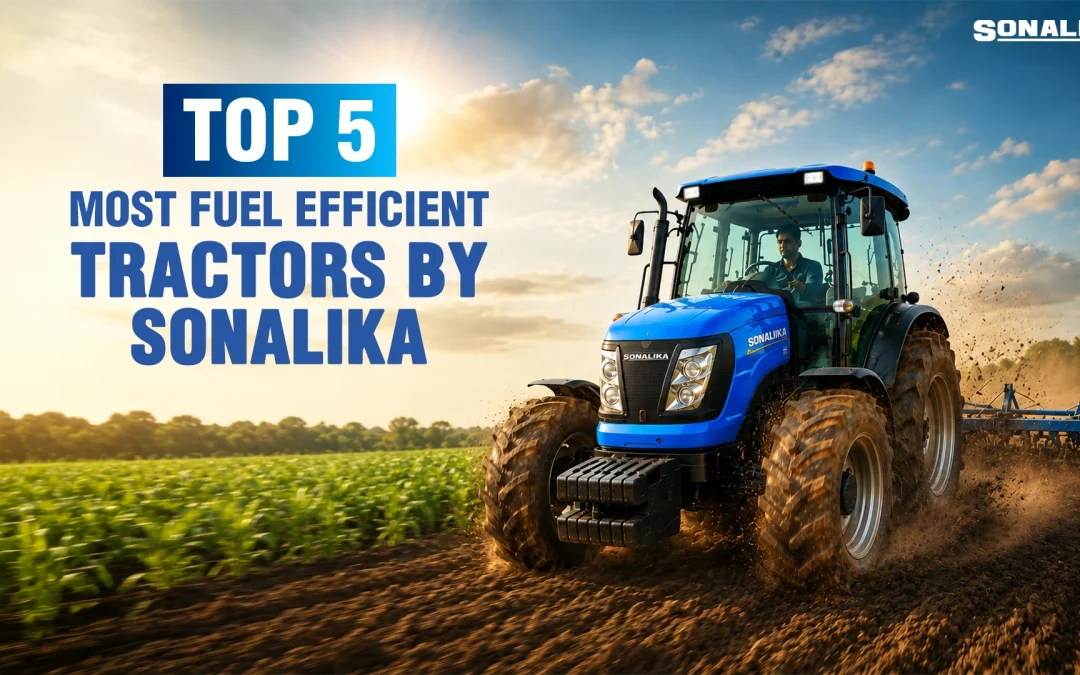
Sonalika tractor mileage is one of the best in the industry. Tractors available at Sonalika International are not only offered across diverse horsepower ratings, but they are also designed to return the best fuel efficiency. Whether you speak of engine design or incorporating modern technologies, our tractors are both efficient and low on emissions. Here are the 5 best Sonalika tractors offering the best fuel efficiency.
The Sonalika FP-18 is the most affordable tractor in Sonalika International’s lineup. This tractor is designed to be cost-effective, durable and powerful enough for light tasks and small acreage work. This fuel-efficient tractor uses a 863.5 CC 18-hp single-cylinder engine paired with a 6F+2R sliding mesh transmission, with power going to a 2WD system. Fewer cylinder results in lower internal friction and high tractor fuel efficiency on each cycle.
Key Features:
- 863.5 CC 1-cylinder engine with 18 hp & 54 Nm
- 6F+2R Sliding Mesh transmission with 2WD system
- Dry-type air cleaner
- Oil-immersed brakes with independent parking brakes
- 540 RPM PTO
- 700 kg lift capacity
- Optional front toe hook
Ideal for: Sugarcane plantations, inter-row operations, cotton cultivation, & small orchards.
2. Sonalika 26: A Step Above With More Capabilities & Efficiency
If you’re looking for a fuel-efficient tractor with more capabilities than the entry-level FP-18, the Sonalika 26 steps up the game with more power without draining your wallet from high fuel expenses. It packs a 26-hp 3-cylinder naturally aspirated Mitsubishi engine churning 76.3 Nm of torque at 2700 rpm, keeping things punchy without consuming too much diesel.
The engine is paired with a highly durable 6F+2R sliding mesh gearbox and 4WD system, offering excellent response on cultivation and haulage tasks.
Key Features:
- 26-hp Mitsubishi 3-cylinder engine with 76.3 Nm
- 6F+2R Sliding Mesh transmission with 4WD system
- Oil-immersed brakes with independent parking brakes
- Foot-operated differential lock
- 540 & 1000 RPM PTO
- CAT-I 3-point linkage system
- 600 kg lifting capacity/ 775 Optional
- Standard clutch safety, PTO safety and neutral safety switch
- 2.3 m turning radius (without brakes)
- Standard front tow hook
- Optional swinging draw bar
Ideal for: Mid to small farms, daily cultivation, tilling, and light haulage
3. Sonalika 60 3-Cylinder: A Sweet Spot Offering Fuel Savings & Notable Capabilities
Once you climb the ladder and deeply explore the lineup, there is the Sonalika 60 series, available in 3-cylinder and 4-cylinder models. For buyers looking for the most fuel-efficient tractor for agriculture at an affordable price, the Sonalika 60 3-Cylinder is often taken into consideration.
It packs a 60-hp turbocharged 3-cylinder engine providing 230 Nm of torque. Power is sent to a 4WD system via an 8F+2R Swift Shift (power shuttle) transmission. This model also offers a lifting capacity of 2,000 kg, meaning you can also perform light loading operations easily while enjoying high tractor fuel efficiency.
Key Specs & Features
- 60-hp turbocharged 3-cylinder engine with 230 Nm of torque
- 33.67 km/hr max speed with 2.52 km/hr minimum speed
- Power steering with a 4WD system
- CAT-II 3-point linkage system
- 2,000 kg lifting capacity
- Clutch, PTO & neutral safety switch
- 62L fuel tank
- Standard ROPS cabin
Ideal for: Mid-size farms between 15 and 50 acres, mixed crop operations, deep ploughing, rotavation tasks, & loader operations.
4. Sonalika 75: Capable, But More Fuel Friendly
The Sonalika 75 (also called RX 75) is the point where things get more serious in terms of performance and efficiency. This tractor has a 4100FLT 3707 CC turbocharged 4-cylinder engine, churning 75 horsepower and 278 Nm of torque. Underneath, the 8F+2R dual-clutch Swift Shift transmission provides smooth gear changes and improved fuel economy, making the Sonalika 75 an easy choice for tackling tough tasks.
In terms of utility, this tractor offers a maximum lifting capacity of 2,000 kg, which is decent for loading heavy materials. Additionally, the 540RPM PTO allows you to use heavy implements efficiently and add more versatility.
Key Specs & Features
- 4-cylinder turbocharged engine with 75 hp & 278 Nm
- 36.46 km/h maximum and 1.95 km/h minimum speed
- 8F+2R Swift Shift dual-clutch gearbox with 4WD system
- 540 RPM PTO
- CAT-II 3-point linkage with standard stay bars
- 2,000 kg lifting capacity with standard lift rods, 3,000 kg optional
- 64L fuel capacity
- Optional canopy
Ideal for: Large-scale field operations, mixed farming, haulage, tillage, rotavator usage, and implement-heavy applications.
5. Sonalika 90: Powerful, Fuel Saving & Highly Durable
The Sonalika 90 is one of the most powerful tractors in the lineup, yet it remains highly economical when it comes to fuel consumption. Sonalika tractor mileage and capabilities are the reasons why Sonalika is so preferred among farmers worldwide. At the 90-hp class, most tractors would instantly start burning diesel aggressively, but this model is built differently.
The Sonalika 90 comes with a 4087 CC 90-hp turbocharged 4-cylinder diesel engine, which also delivers a healthy 276.79 Nm of torque. A 12F+12R Synchromesh transmission with a 4WD system takes care of power delivery and traction. With up to 3,000 kg lifting capacity, this tractor can also perform loader operations and material handling tasks with ease.
Key Specs & Features:
- 4,087 CC turbocharged 4-cylinder engine with 90 hp & 276.79 Nm
- Dry air cleaner with clogging sensor
- 35.2 km/hr maximum & 0.57 km/hr minimum speed
- 540/540E RPM PTO
- 3,000 kg lifting capacity (optional)
- 78L fuel tank capacity
- Front tow hook
- ROPS cabin for safety
Ideal For: Large farms, heavy field work, demanding tilling, ploughing and land preparation operations, mixed-use commercial farming tasks and material handling applications.
Final Takeaway
Buying the right fuel-efficient tractor isn’t about buying the tractor with the lowest horsepower on the list. It’s about evaluating your operations carefully and matching the engine size. The FP-18 is ideal if you’re looking for the most fuel-efficient machine at an affordable price, but if you seek better Sonalika tractor mileage and power, the Sonalika 26 is better suited.
For buyers looking for the most fuel-efficient tractor for agriculture and grape cultivation, the N series is a strong choice. Tractor fuel efficiency in the N series is high alongside impressive capabilities.
If you’ve evaluated your needs carefully and are ready to buy a tractor, explore Sonalika’s lineup. Contact us for more information.
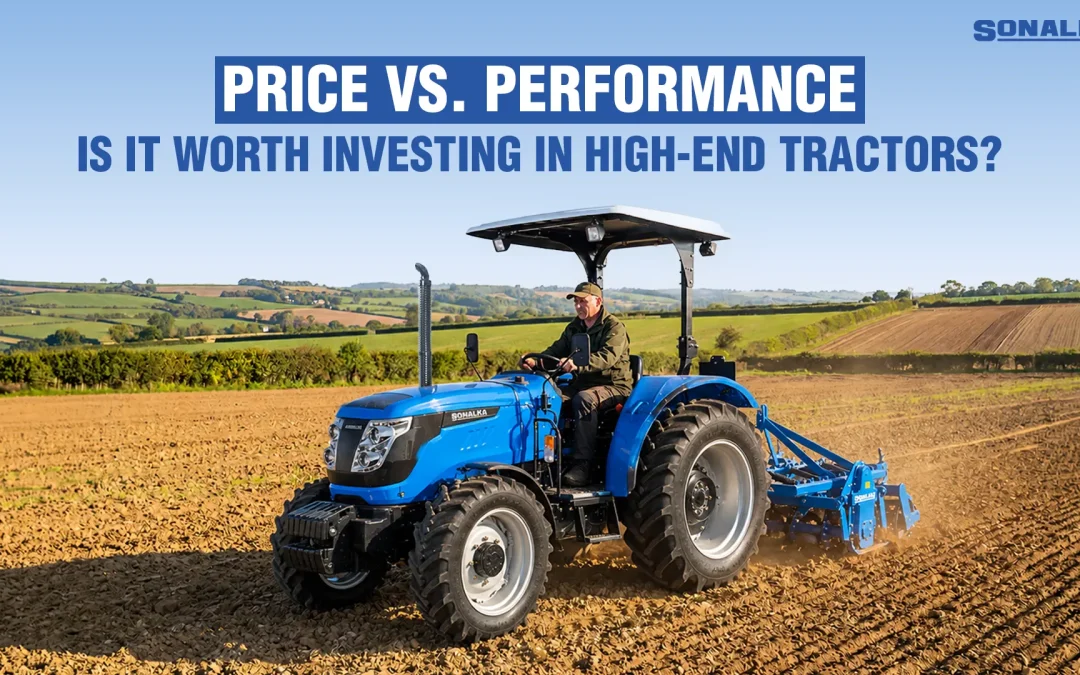
by admin | Jun 22, 2026 | Customer Stories
Buying new farming equipment for the approaching season isn’t a simple choice. Every farmer reaches a point where the question transforms from “Do I need a tractor?” to “Do I actually need a high-end tractor?” We know it’s not a simple question; it involves doing the correct maths, evaluating requirements and preparing a budget.
When you read a tractor buying guide, most guides only tell you specs and features, but rarely do they help you navigate through buying decisions: Is a high-end tractor really worth buying?
To address this dilemma among buyers, we have created an affordable vs. high-end tractor buying guide, which will help you conclude. If you’re working on large farms, running various implements, or trying to scale your operations, every decision matters. Choosing the wrong tier can either affect your operations or lead you towards spending more money.
What “High-End” Really Means In A Solid Tractor Buying Guide?
Premium tractors exist for a reason, and it isn’t just “more expensive” versions of affordable models. When you hear the term “premium”, it typically refers to a model that is built to deliver power, durability, comfort, safety, and reliability in a single package. In most cases, a heavy-duty tractor perfectly fits this explanation.
Heavy tractors typically come with powerful diesel engines, which are often fitted with turbochargers and technologies like CRDi and smart engine management. These tractors also feature advanced transmission systems, spacious cabs, comfort features, ROPS and FOPS rating and telematics to boost productivity and efficiency.
Build quality in high-end agricultural equipment is noticeably better than that of affordable tractors. From chassis durability to the quality and life-span of components, premium tractors are built to excel not only in terms of performance, but comfort too. These tractors are designed to maximise efficiency in every single pass you make on your farm.
Where Premium Or Heavy Tractors Justify The Cost?
The maths starts working in your favour once you’re in specific conditions. It’s worth being open about what the conditions are.
If you’re working on large plots, preferably ones above 20 acres, a high-horsepower tractor reduces the number of passes in the field, preserving fuel and time. Applications that rely on specialised equipment like heavy tractor attachments, like rotavators, cultivators, sprayers, and seeders, benefit from the high torque, high PTO and robust build quality of heavy tractors.
Terrain is another area where heavy tractors make sense. Many high-output tractors have switchable 4WD systems, which allow operators to switch from 2WD to 4WD for better traction on rough surfaces. Rocky, hilly, water-logged farmlands require better traction, stronger transmission and durable drivetrains, all available in performance tractors.
Precision is another key merit of high-end farming equipment. Many models come with GPS-guided planting and allow you to perform variable rate application, offering better practicality for farming operations. These tractors are also sold by established brands, meaning you get better resale value when it comes to selling.
When Should You Settle For “Affordable” Or “Mid-Range” Tractors?
Not every farmer needs a high-output tractor, and overspending on features you will never use is as bad as underspending. A mid-range tractor is ideal if you work on farms of less than 20 acres. Additionally, factors like straightforward crop cycles and predictable terrain further make a mid-range tractor ideal for use.
When doing a tractor comparison, evaluate if you’ll use the tractor for a season, versus if you’ll use it daily, plus what kind of work you’ll perform: light vs heavy. If the answer is “seasonal use” and “light tasks”, buying an expensive machine hardly makes any sense.
A reliable 50 to 75-HP tractor from a well-established brand like Sonalika is highly capable of handling most standard tasks. The key to a good purchase lies in following a proper tractor buying guide and matching a machine’s capability to actual operational demand.
The Real ROI Calculation
Not sure how ROI works for tractors? Well, this tractor buying guide puts this thing into perspective. Think of your tractor’s ROI in four different sectors, not just the purchase price.
First, productivity gains: a higher HP tractor is capable of completing more work per day. This reduces labour costs, time, and the unavailability of labourers in peak seasons.
Second, fuel savings: Much farming equipment comes with premium engines that are fitted with modern technologies like turbochargers and fuel-saving features. Over five seasons, the fuel savings compound.
Third, maintenance frequency: Many budget machines use low-quality components, meaning they require frequent servicing and part replacements, and downtime during harvest season can affect your workflow. In contrast, quality components and extended service intervals in high-end machines ensure better uptime and consistent performance during the harvest season.
Fourth, resale value: Agricultural equipment from reputable brands always holds value better, so you get higher resale value when you want to upgrade. Once you add these four factors, you’ll notice that a high-end tractor offers better return if you use it effectively in large-scale operations.
Conclusion
Buying the right agricultural equipment isn’t about choosing an affordable, mid-range, or high-range tractor or high-horsepower engines. Instead, it’s about smartly choosing the ideal tier for your work scale and goals.
If your operation requires consistent performance, multi-attachment versatility, and long-term reliability, a high-end tractor or a heavy-duty tractor is ideal. For smaller or seasonal tasks, a capable mid-range tractor from a reliable brand gets the job done at lower costs. The best tractor buying guide helps you match your real workload to the right machine type.
Sonalika International is among the leading tractor manufacturers globally. Our lineup includes low-horsepower tractors for light applications, mid-range tractors for medium acreage and heavy tractors for applications that demand raw power. Explore our lineup today and contact us if you have any queries.